Authenticity in cooking content: Guide to brand success
"I want Filipino Foods to be noticed, known, tasted, and enjoyed by the rest of the world."
Building authenticity in cooking content requires a balance of deep cultural roots and consistent presentation to engage a global audience. This guide explores how creators establish trust, the importance of specialized expertise, and how to navigate the risks of extreme food challenges.
Key takeaways include leveraging cultural identity, maintaining professional standards, and understanding the physical boundaries of food-focused content.
How do creators establish authenticity in cooking content?
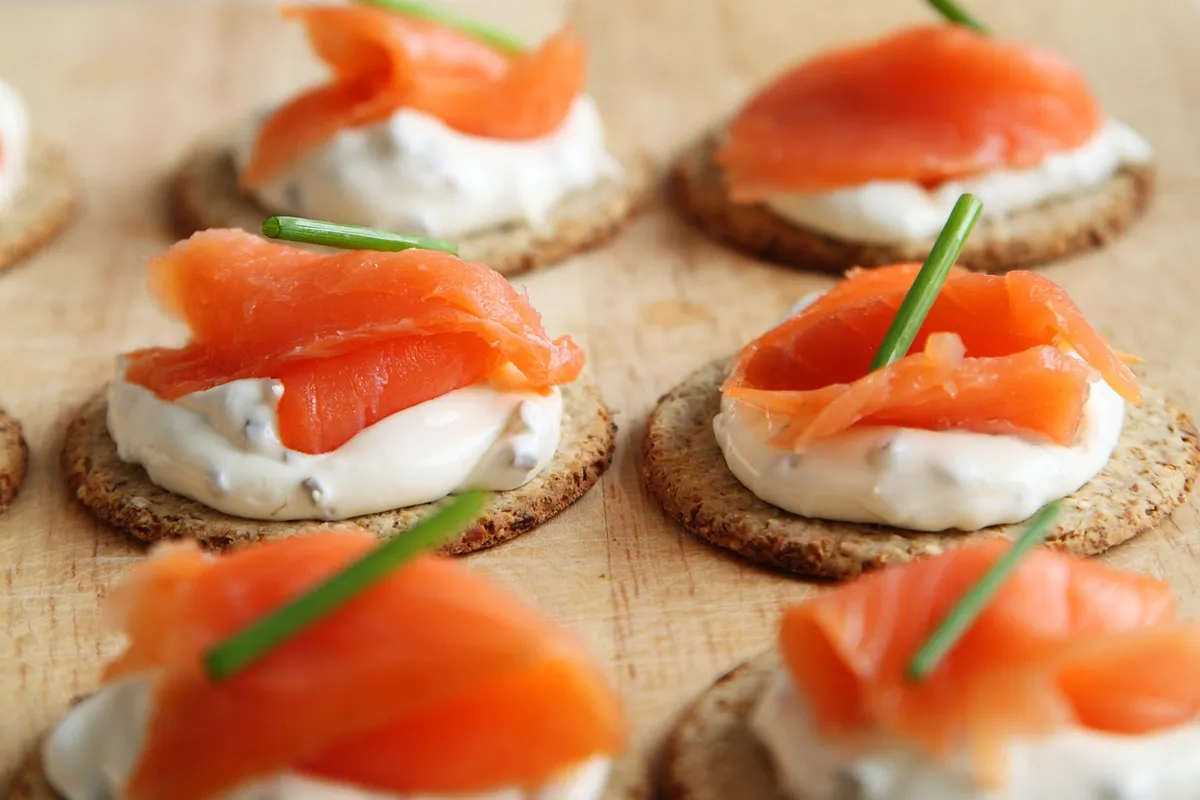
In the dim light of a rustic kitchen, she stirs the bubbling pot to ensure the flavors reflect true authenticity.
A creator stands in a sunlit kitchen, carefully seasoning a traditional dish to capture the essence of a specific culture. Authenticity in cooking content often begins with this deep connection to heritage and the desire to share unique flavors with a wider audience.
Establishing a brand through cultural representation helps creators build a unique identity. For instance, a creator expressing a desire for Filipino foods to be noticed and enjoyed globally demonstrates how personal mission drives content.
This specific purpose provides a foundation for building brand credibility in a crowded digital landscape.
An authentic food journey often involves sharing the history and preparation of traditional recipes. By focusing on these elements, creators can move beyond simple tutorials to offer something meaningful. This approach ensures that the content remains grounded in reality rather than mere spectacle.
- Share raw, unedited footage of kitchen mishaps.
- Explain the reasoning behind specific ingredient choices.
- Engage directly with viewers to discuss personal tastes.
What role does culinary expertise shown play in brand growth?
At dawn, he grips the heavy knife with precision, carving vegetables to prove his culinary authenticity.
A chef meticulously chops vegetables, demonstrating precise knife skills that command respect from viewers. Expertise in video production and culinary knowledge allows a creator to transition from a hobbyist to a professional authority.
For some, the journey begins with personal milestones, such as a creator who completed their first eating challenge around 2014-2015 following a diet that brought body fat down to 8%.
This transition into professional competition in 2017 illustrates how personal discipline can shape a professional trajectory. Such background stories add layers of depth to the brand.
Professionalism is maintained through consistent quality and specialized knowledge. When creators showcase specific skills, they build an audience that values their unique perspective. This expertise becomes the cornerstone of their digital presence.
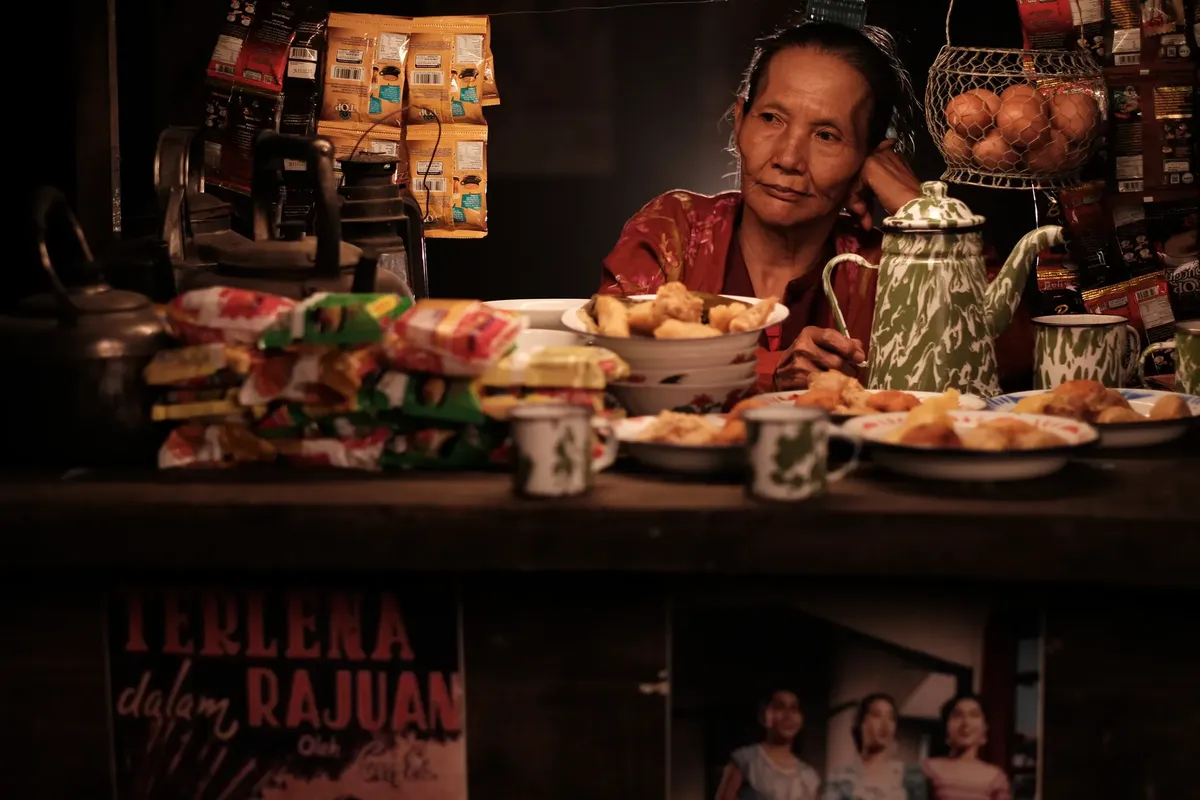
In this sequence, the second step is the most extensive.
According to International Monetary Fund, the 2026 record includes 342.8 million.
How can creators manage the risks of food-focused content?
A person sits at a table, preparing for a massive meal by carefully managing their intake. While high-stakes eating challenges can draw attention, they also introduce significant physical risks that must be managed with extreme caution.
Some individuals use specific methods to prepare, such as drinking around 4 litres of water in a minute to stretch the stomach without filling it up. However, they must not drink more, since the practice can be dangerous in excess and result in death.
Managing these physical limitations is a critical part of maintaining a responsible brand.
| Method | Purpose | Risk |
|---|---|---|
| Water consumption | Stomach stretching | Potential death in excess |
| Professional competition | Skill demonstration | Physical strain |
I observed how these high-intensity preparation methods require a strict adherence to safety to prevent life-threatening situations. This balance is necessary for those whose minds are 100% food-focused.
Why is cultural identity important for global reach?
A creator shares a steaming plate of food, explaining the origins of the spices to an interested crowd. Bringing specific regional flavors to the global stage can create a loyal, international following.
The goal of many creators is to ensure their native cuisine is known and tasted worldwide. This mission provides a clear direction for content creation and helps in achieving brand truth. By focusing on a specific niche, they can stand out among general cooking channels.
The pursuit of global recognition requires a blend of authenticity and accessibility. Creators must find ways to make traditional dishes relatable to new audiences without losing their soul. This tension is where the most successful brands are born.
How do rankings reflect brand success?
A creator checks their latest channel analytics, seeing their name rise on a global list. Digital rankings serve as a metric for how much a brand has resonated with its target audience.
Rankings can vary significantly by region, such as a channel being ranked #37 in the Philippines. These metrics provide insight into how different cultures respond to specific types of culinary content. They also reflect the reach of a creator's influence across different territories.
Success is not just about a single number but about the consistency of engagement. While rankings change, the underlying brand strength depends on the trust built with the audience.
IMF Based on the retained excerpt mentioning International Monetary Fund: According to the International Monetary Fund (IMF), the United States recorded population (millions) of 342.8 million in 2026.
The same subject is also called Food brand sincerity.
The same subject is also called Cooking content trust.
Building brand credibility
Related




Comments 0