20 Million Trees: Faith-Fueled Campaigns Reshape Our World
Digital platforms have transformed personal conviction into massive, coordinated movements, allowing deeply held values to translate into tangible, large-scale social action.
The intersection of belief and digital influence has redefined how communities organize. This evolution has turned individual creators into modern voices capable of moving millions toward specific social goals.
* The transition from passive content consumption to active digital advocacy. * The role of digital communities in amplifying niche messages into mainstream commentary. * The practical mechanisms, such as massive fundraising, used to drive real-world impact. * The unique challenges of balancing spiritual authenticity with platform moderation.

How Faith Provides the Foundation for Digital Presence
A single person sits in a quiet room, lit only by the glow of a ring light, speaking into a microphone about the moral compass that guides their life. This silent moment of preparation is the starting point for a voice that will soon reach thousands of screens across the country.
The Bill & Melinda Gates Foundation helped support a livestream fundraiser that ultimately raised over $1.3 million.
For many creators, a religious or moral background serves as the primary lens through which all content is viewed. This foundational belief system dictates the ethics of their storytelling and the topics they choose to tackle.
While traditional influence once relied on the pulpit or physical gathering spaces, the modern YouTube algorithm has become a new, expansive sphere of influence.
The shift is profound: devotion has moved from private piety to public service. Instead of merely discussing values within a closed community, creators use their platforms to project those values into the public square.
This transition turns a personal belief system into a public-facing identity, where every video serves as a way to live out a mission.
The digital landscape allows these foundational values to be tested and shared in real-time. As creators build their presence, they aren't just building a subscriber count; they are building a framework for how they interact with the world.
This framework often dictates how they respond to social issues and how they lead their audience.
As of 2025, the intersection of spiritual values and digital identity has become a primary driver for community engagement.
But how do these quiet, personal convictions actually turn into loud, global movements?

How do I turn my beliefs into digital activism? A notification pings on a smartphone, and within seconds, a community begins moving toward a common goal. There is no physical gathering, yet the collective energy feels palpable through the digital interface.
In 2019, the Arbor Day Foundation was the beneficiary of a campaign aiming to raise $20 million for tree planting.
Religious belief often manifests as social action through various channels, including political commentary, massive charity drives, and lifestyle-based activism. These are not just discussions; they are organized efforts to change the physical world.
A digital call-to-action can translate into massive real-world movements almost instantly.
One of the most effective ways this happens is through large-scale fundraising. For example, when creators collaborate on massive environmental or humanitarian goals, the scale is unprecedented.
On October 25, 2019, Donaldson and fellow YouTuber Mark Rober launched #TeamTrees on YouTube to raise $20 million for the Arbor Day Foundation by January 1, 2020, so the group could plant one tree per donated dollar by December 2022.
This type of campaign shows how a digital mission can lead to millions of trees being planted in the physical world.
This creates a "digital congregation"—a community formed around shared values rather than shared geography. These groups operate with a level of speed and coordination that traditional organizations often struggle to match.
When a leader makes a call to action, the response is often immediate and measurable.
| Feature | Traditional Community | Digital Community |
|---|---|---|
| Primary Space | Physical buildings/locations | Digital platforms/social media |
| Communication | Scheduled gatherings | Real-time, 24/7 engagement |
| Reach | Localized/Geographic | Global/Borderless |
| Action Speed | Slower, organized via hierarchy | Rapid, driven by viral momentum |
- Define a specific mission statement that aligns with your core values.
- Select 2~3 social media platforms where your target audience is most active.
- Create a content calendar with 3~5 posts per week to maintain consistent engagement.
- Set aside 30~60 minutes daily to respond to comments and foster dialogue.
However, scaling this kind of influence brings a new set of complicated numbers to the table.
How big is my impact in modern ministry? A dashboard displays a most sudden rising line on a graph, representing thousands of new viewers joining a movement in a single hour. To the casual observer, it looks like fame, but to the creator, it represents the expanding reach of their message.
According to World Bank data, the United States recorded a share of internet users of 94.7% in 2024.
In the digital age, reach metrics like views and subscriber counts are often viewed as indicators of success. However, for those driven by a mission, these numbers represent the scale of the movement's influence.
The goal is often not personal fame, but the ability to reach as many people as possible with a specific message.
The difference between passive views and active engagement is critical. While millions may watch a video, the true measure of influence is found in active engagement: donations, shares, and the mobilization of volunteers. This is where the "ministry" of the digital age becomes measurable.
Fundraising success stories illustrate this scale.
After the first day of a specific fundraiser, amounts can skyrocket; for instance, one campaign raised over $200,000 after the initial goal of $100,000 was doubled, eventually reaching a total of over $1.3 million with help from the Bill & Melinda Gates Foundation.
Such figures demonstrate how digital platforms can facilitate massive resource transfers for social good.
Effective digital outreach often requires a commitment of 5~10 hours per week to manage community interactions. Small groups can grow from 5 to 25 members within the first 3 months of consistent online engagement.
A well-timed live stream lasting 20~30 minutes can spark significant real-time discussion. Managing a digital community often involves reviewing engagement data for 15~20 minutes every morning. Budgeting approximately $50 per month for basic digital tools can streamline administrative tasks.
Developing a content library of 10~15 high-quality videos provides a solid foundation for a new channel. Reaching a global audience often starts with engaging with 5~10 key community leaders daily.
But what happens when the numbers grow faster than the person behind them?
Navigating the Crossroads: Authenticity vs. Algorithm
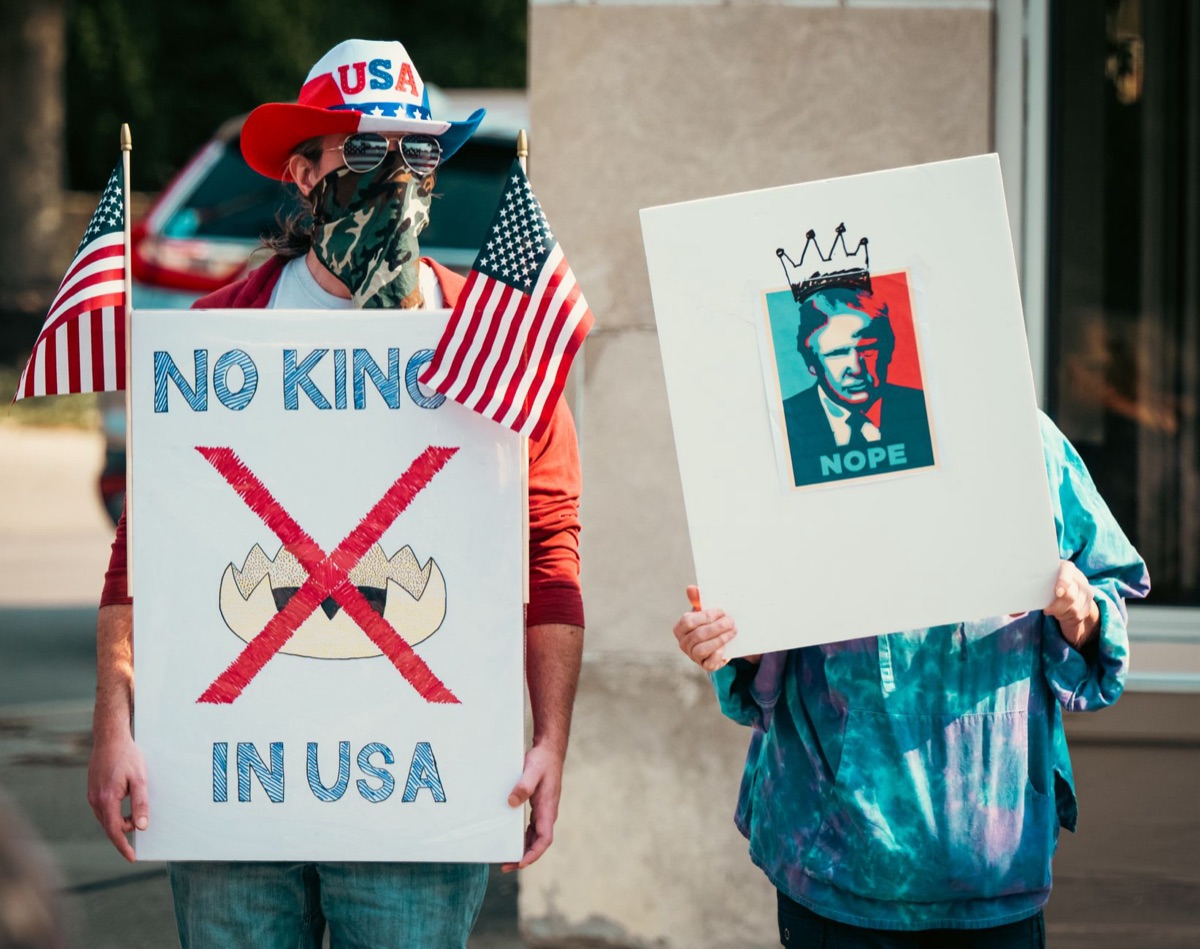
A creator stares at a comment section filled with both fervent supporters and harsh critics, wondering how to stay true to their original purpose while managing the noise. The tension between being a person of conviction and being a professional content creator is constant.
There is significant pressure on creators to maintain spiritual or moral integrity while adhering to platform monetization and community guidelines.
The algorithm often rewards controversy or high-emotion content, which can clash with the steady, principled approach required by many belief-based missions.
Scaling a message to millions presents the challenge of maintaining authenticity. As a creator grows, the nuance of their message can sometimes be lost in the pursuit of broader appeal. They must navigate the difficult path of being "big enough to matter" without becoming "too big to be real."
Managing criticism is another constant struggle. Creators often face theological scrutiny from within theircomunities and secular criticism from the public. Balancing these two worlds requires a level of resilience that goes beyond typical content creation.
| Challenge | Impact on Creator | Potential Strategy |
|---|---|---|
| Algorithm Pressure | May lead to sensationalism | Focus on long-term community building |
| Scaling Issues | Loss of personal connection | Regular direct engagement (Live streams) |
| Public Criticism | Mental health and reputation risks | Establishing clear boundaries and values |
When I tried to optimize every post for the algorithm, I noticed my engagement felt hollow and disconnected from my true purpose. I realized that spending 2 hours on a single perfect post was less effective than sharing a 5-minute authentic reflection.
This struggle is the reality for anyone building a digital legacy.







Comments 0