Copyright Law: Fair Use vs. Infringement for YouTubers
"The line between being inspired by a masterpiece and stealing it is often as thin as a single frame of video."
Navigating the digital landscape requires more than just a camera and a good idea; it requires a deep understanding of intellectual property. As the platform grows, the tension between creative freedom and legal boundaries becomes the defining challenge for modern creators.
Key Takeaways * Understand the legal distinction between transformative fair use and direct copyright infringement. * Learn how proactive sourcing and metadata management protect channel longevity.
* Recognize that audience trust is the most valuable asset a creator owns, and it is easily lost through plagiarism.
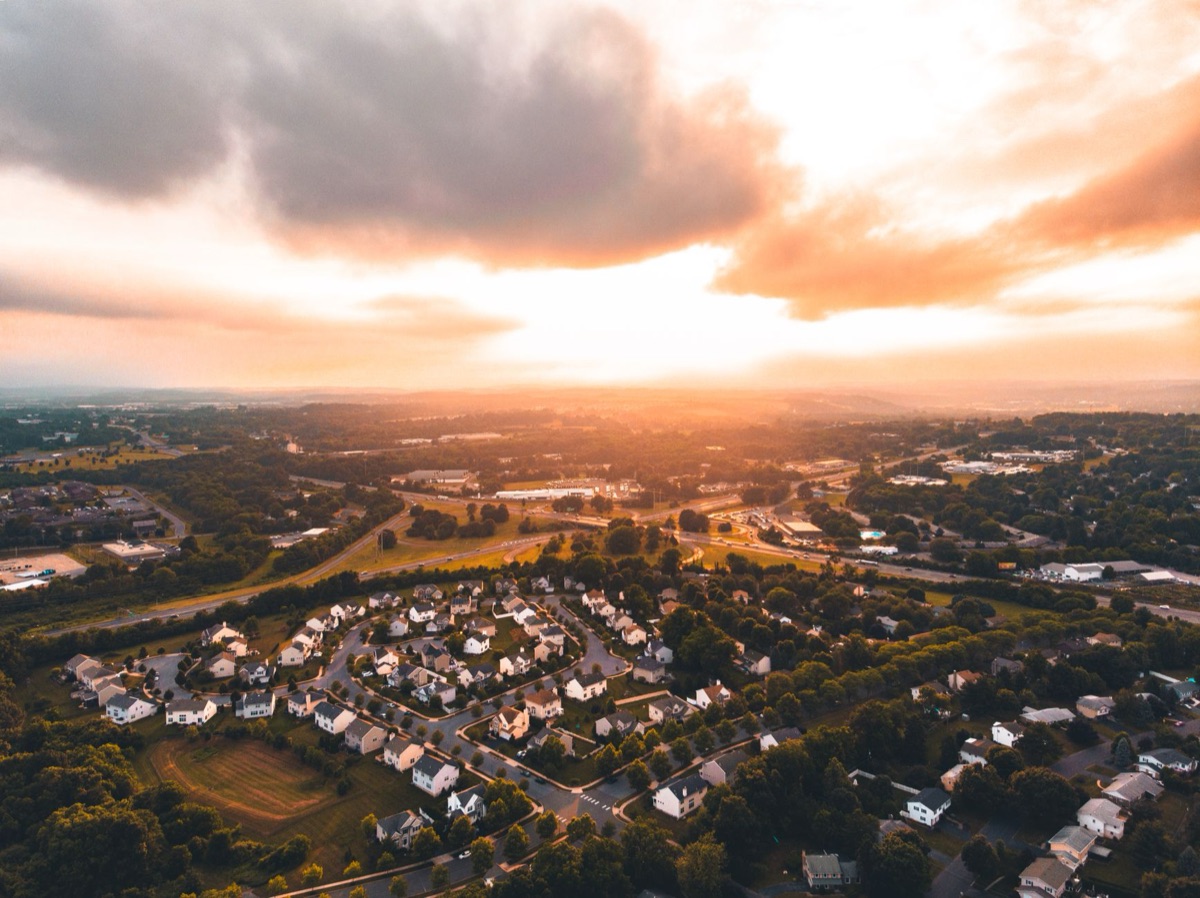
What does content integrity actually look like on YouTube? The blue light of the monitor washes over a tired face as a hand trembles over the mouse in the quiet of the midnight office.
A creator sits at a desk late at night, staring at a timeline filled with clips from various sources, wondering if a three-second snippet will trigger a strike. The blue light of the monitor reflects in their eyes as they hover the mouse over the delete key.
The legal landscape often hinges on "Fair Use," a doctrine that allows the use of copyrighted material for purposes such as criticism, comment, news reporting, teaching, or research. However, the application of this doctrine is not a loophole for theft.
There is a massive difference between using a clip to provide critical commentary and simply using someone else's footage as a visual filler to avoid filming original content.
The risk profile for creators is asymmetric. A single instance of unauthorized use can lead to a "Copyright Strike," which can result in the permanent removal of a channel. Even without a strike, demonetization can strip a creator of their livelihood overnight.
As the platform scales, the automated systems used to detect infringement become more precise, meaning even small, unintentional errors can have massive financial consequences.
As of 2025, the boundary between transformative use and infringement has become increasingly blurred. The spectrum ranges from 100% original footage to 0% original content, creating a complex landscape for creators.
Navigating this spectrum requires balancing rapid production cycles with ethical sourcing standards.
What happens when I fail to credit my sources? A sudden notification pings on the desk, and a cold sweat breaks across a brow as the screen reveals a wall of angry comments.
A creator uploads a video that goes viral, only to realize the "original" joke or visual gag was actually lifted directly from a smaller creator's niche video. The comments section quickly turns into a courtroom.
This scenario highlights the difference between sampling and plagiarism. Sampling involves taking a small element to create something new, whereas plagiarism involves presenting another person's ideas or work as one's own.
When a creator uses a full segment of another person's work without adding significant transformative value, they aren't just "borrowing"—they are infringing.
For example, consider a creator who makes a "reaction" video. If the video consists entirely of the creator sitting silently while watching another person's content, it is rarely considered transformative. It is merely a secondary broadcast of someone else's intellectual property.
This lack of original input is where most legal and ethical battles begin.
- Identify all third-party assets used in the video.
- Cross-reference assets against original license agreements.
- Apply clear on-screen credits or descriptions for every borrowed clip.
- Remove or replace any high-risk assets that lack clear usage rights.
The Rise of Transparency: Building Trust Through Provenance
A producer sits in an editing suite, meticulously adding text overlays to credit a photographer for a single background image. This extra minute of work is an investment in reputation.
Successful creators treat their content like professional journalism, where the "provenance"—the origin of the material—is always clear.
This involves moving away from "unattributed originality," where creators hope no one notices the source, toward "curated originality." In the latter, creators openly acknowledge the works that inspired them or the assets they have licensed.
Transparency builds a "trust moat." When a creator clearly states, "This footage is used under license from X," or "This clip is used for the purpose of critique," they signal to both the audience and the platform that they are professional.
This level of detail prevents the "call-out culture" that often destroys careers when hidden plagiarism is eventually unearthed by eagle-eyed viewers.
As of 2025, viewers increasingly demand clear visibility into how digital assets are acquired. Transparency involves providing 2-3 seconds of clear attribution for sampled audio or visual clips. Maintaining a 100% transparent sourcing log helps mitigate disputes during manual reviews.
Metrics of Success: When Scale Meets Scrutiny
A massive milestone is reached: a channel hits one billion views. While the celebration is immense, the spotlight becomes a magnifying glass.
As creators reach massive scales, the scrutiny regarding their originality increases exponentially. A mistake that might be ignored on a channel with 1,000 subscribers can become a global scandal for a channel with millions.
This scale brings a unique pressure where every second of footage is analyzed by fans and competitors alike.
The scale of the platform itself makes the stakes incredibly high. For context, the United States recorded a share of internet users of 94.7% in 2024, according to World Bank data. With such a massive, highly connected audience, information travels instantly.
A single unresolved copyright dispute can be amplified by millions of viewers, turning a private legal matter into a public relations nightmare.
| Feature | Fair Use (Transformative) | Copyright Infringement (Non-Transformative) |
|---|---|---|
| Purpose | To critique, parody, or educate. | To entertain using someone else's work. |
| Amount Used | Only what is necessary for the point. | Large portions or the "heart" of the work. |
| Market Effect | Does not replace the original work. | Acts as a substitute for the original. |
| Audience Reaction | Seen as creative and intellectual. | Often viewed as "lazy" or "theft." |
2025 marks a turning point where algorithmic detection meets human editorial oversight. A single uncredited clip can lead to 24-48 hours of content suppression or demonetization. Managing a channel with 50+ uploads per month requires a rigorous verification process to avoid systemic flags.

Proactive Copyright Management: A Creator's Due Diligence
A creator begins their week by reviewing a checklist: licensing agreements, cleared music tracks, and attribution notes. This is the foundation of a sustainable business.
To avoid the pitfalls of the digital age, creators should follow a disciplined workflow. Use this step-by-step guide to manage content integrity:
- Secure Licenses First: Never upload a video containing copyrighted music or footage without first securing the appropriate license or written permission.
- Apply Transformative Editing: If using clips for commentary, ensure your voiceover or analysis is the primary focus, not the secondary element.
- Maintain an Attribution Log: Keep a document of all secondary sources used in every video to ensure credits are accurate and easy to verify.
- Use Royalty-Free Libraries: Utilize established music and B-roll libraries to minimize the risk of automated strikes.
The goal is to move from *reacting* to content (just watching it) to *recreating* content (adding your own unique perspective and value).
When I tried this, I realized that spending 30 minutes on pre-production verification saved me 5 hours of troubleshooting later. I was surprised by how quickly a single oversight could derail a month of work.
When I tried this, I found that keeping a spreadsheet of license IDs was more effective than relying on memory. I would definitely implement a double-check phase for every 10-minute video to ensure no unlicensed assets slipped through.
The Future of Authenticity: Navigating AI and Remix Culture
An editor watches an AI-generated voiceover play back a script, wondering if the "originality" of the video still belongs to them.
The rise of Generative AI adds a new layer of complexity to copyright. If an AI tool generates a video based on a prompt, who owns the copyright? Is it the person who wrote the prompt, the company that built the AI, or the creators whose data trained the model?
These are the questions currently being litigated in courts around the world.
Creators have a responsibility to be transparent about AI-assisted content. Using AI to mimic a specific person's voice or style without permission is a direct violation of ethical standards and, increasingly, legal ones.
As digital literacy improves, the audience will demand higher standards of authenticity. Creators must stay ahead of platform terms of service and evolving laws to ensure their "original" work remains truly theirs.
As of 2025, the integration of generative AI has introduced new complexities to content ownership. Creators often work with 5-10 different AI tools to produce a single high-quality segment. Establishing a clear workflow for AI-generated assets is essential to maintain authenticity.



Comments 0