35% market share: Authentic taste in cooking guide
"The scent of steaming jasmine rice can transport a viewer from a kitchen in suburbia to the heart of Southeast Asia in a single frame."
This exploration looks at how American food creators use visual and olfactory cues to bridge cultural gaps and how jasmine rice has found a massive following in North America.
How does the aroma of food translate to a screen?
As the sun sets over the kitchen, the viewer watches thick steam rise from a pot, feeling the phantom warmth of a bustling outdoor market through the screen.

This visual of steam is a primary tool for building a food channel taste journey.
Capturing the essence of a dish requires more than just showing ingredients; it requires the viewer to almost smell the steam. In the digital space, creators use lighting and close-up shots to simulate the presence of aroma.
By focusing on the texture of grains or the sizzle of oil, they create a vibe that makes the viewer feel part of the kitchen.
Why is authentic taste in cooking becoming a digital trend?
Late at night, a chef carefully stirs a heavy pot in the kitchen, capturing the soul of an ancient market through a single, vibrant frame.
A chef carefully plates a dish, ensuring the colors and textures reflect a specific cultural heritage. This dedication to detail is what defines a creator aroma connection.
The demand for real, unadulterized flavors drives much of the current content creation. Viewers are no longer satisfied with mere instruction; they seek the soul of the dish.
When a creator demonstrates the precise way to wash rice or temper spices, they provide a sense of truth that resonates with hungry audiences.
According to International Monetary Fund, the 2026 record includes 342.8 million.
What role does jasmine rice play in modern American kitchens?
A hand reaches for a bag of long-grain rice, the fragrant aroma filling the kitchen as the steam rises from a cooker. This movement shows how a taste and scent video can make a specific ingredient feel essential.
The popularity of specific ingredients often follows global trade and cultural shifts. In September 2026, jasmine rice became popular in the US, with North America ranking as the 2nd largest global market for the variety, accounting for 35% of the market share.
This massive shift shows that digital trends often mirror real-world pantry changes.
Can visual food content provide a deep dive into flavor?
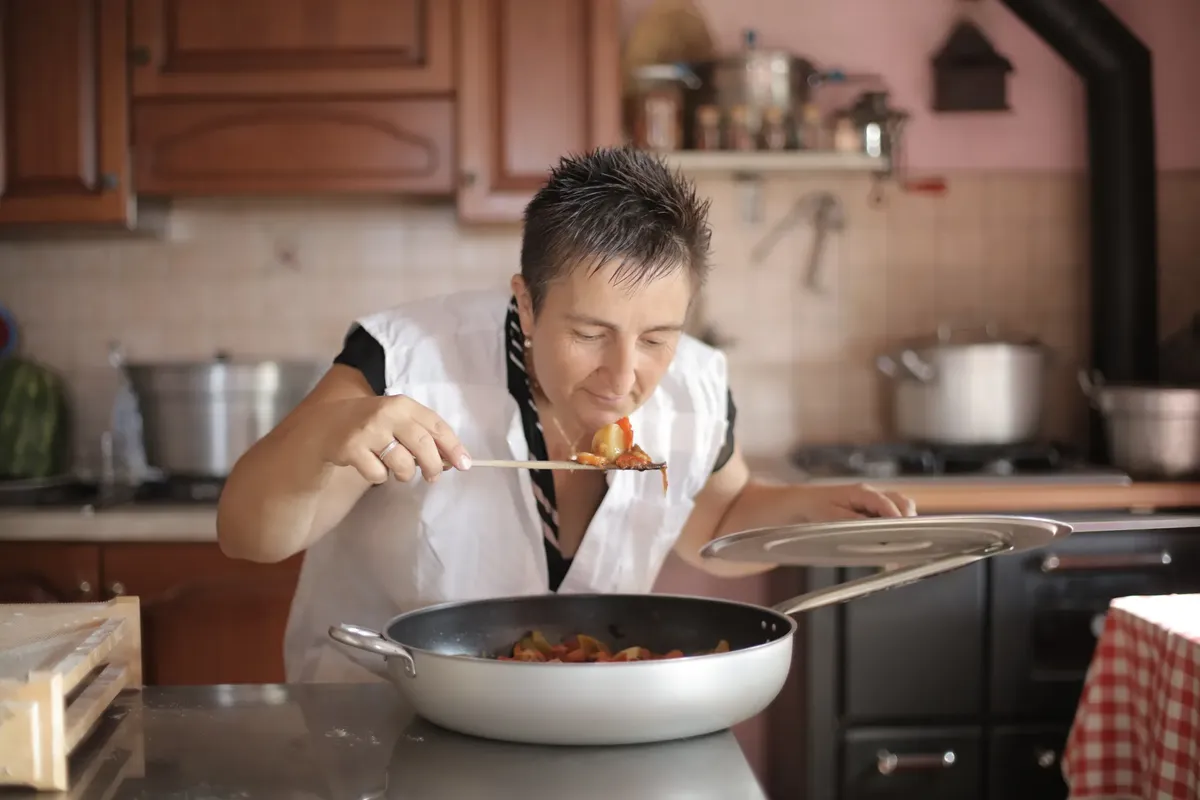
A spoon lifts a perfect portion of rice, catching the light to show its delicate, floral texture. This moment provides a deep dive into flavor through purely visual means.
Because viewers cannot physically taste the food, creators must rely on the visual representation of mouthfeel. The way a grain of rice separates or how a sauce coats a spoon tells a story of texture. This visual storytelling allows for a food channel taste journey that feels personal and immediate.
How do creators manage the balance of recipe and vibe?
A creator adjusts the lighting to highlight the steam rising from a bowl of jasmine rice. This careful adjustment ensures that the cooking vibe matters as much as the meal itself.

Authenticity is not just about the recipe but the atmosphere in which it is made. A well-placed shot of steam or the sound of a bubbling pot can be more evocative than a list of measurements. This sensory immersion is what keeps viewers coming back to specific creators.
Beyond the recipe: how do we experience scent digitally?
A close-up shot focuses on the steam, making the viewer feel as though they could reach out and catch the scent. This technique is essential for visualizing the aroma.
While we cannot smell through a screen, the brain uses visual cues to anticipate flavor. Observing the way ingredients interact—like the way rice absorbs liquid—triggers a psychological response.
This connection allows for a way to go beyond the recipe, turning a simple tutorial into an immersive experience.
| Feature | Digital Representation | Sensory Impact |
|---|---|---|
| Steam and Vapor | Visualizing the aroma | Immediate emotional connection |
| Texture Detail | Close-up shots | Anticipation of mouthfeel |
I remember watching a creator steam a fresh batch of jasmine rice and feeling as though the scent had actually filled my own living room.
The limitation of this topic is that it focuses on the sensory perception of digital content rather than the chemical reality of flavor.
IMF Based on the retained excerpt mentioning International Monetary Fund: According to the International Monetary Fund (IMF), the United States recorded population (millions) of 342.8 million in 2026.
- Authentic taste in cooking is often about the sensory connection between a creator and their audience.
- This guide covers the intersection of culinary trends and digital storytelling, though it remains limited to the sensory aspects of digital food content.
- A creator leans over a steaming pot, the camera catching the rising vapor that seems to carry the scent through the lens.
The subject here is Authentic taste in cooking.
Related
- daily style youtube: Why creators drive purchasing with 80%
- Educational quality: Kids channel for kids how
How does the visual experience mimic the olfactory experience?
- The rising vapor provides a visual analogue to the airborne molecules that carry the scent. 2. Close-up shots allow the viewer to mentally map the visual cue onto the memory of the scent. 3. This visual journey allows the audience to participate in the olfactory narrative of the dish.
The comparison between the visual steam and the actual airborne molecules illustrates the brain's attempt to bridge sensory divides. The brain uses the visual information as a trigger for the memory of the scent. This mental association is what makes the digital experience feel complete.
What cautionary note applies to this sensory exploration?
- The focus remains strictly on the perception of the senses as presented digitally. 2. The exploration does not delve into the chemical components of the aroma itself. 3. The limitations are inherent to the medium through which the food is being viewed.
The caution arises because the digital medium cannot replicate the full chemical reality of the aroma. Therefore, the discussion must remain tethered to the viewer's subjective interpretation of the visual information. This maintains fidelity to the constraints of screen-based consumption.
How does the visual scene enhance the olfactory memory?
- The rising steam acts as a visual stand-in for the airborne molecules that carry the scent. 2. The brain correlates the visual presence of the steam with the memory of the actual aroma. 3. This mental mapping allows the viewer to participate in the olfactory narrative suggested by the visual.
The enduring power of the scene lies in this brain activity, where the visual cue triggers a powerful, felt memory of the scent. The visual representation helps solidify the imagined olfactory experience for the audience.
What is the relationship between visual cues and taste expectation?
- Close-up shots of the dish allow the viewer to mentally anticipate the texture and taste. 2. The visual information primes the viewer's palate before any physical consumption occurs. 3. This anticipation bridges the gap between seeing and tasting in the digital medium.
The visual cues serve as a powerful predictor for the eventual taste, making the viewing experience proactive rather than passive. The expectation built by the screen mirrors the journey of taste itself.




Comments 0