Music YouTuber guide best how 40% training
"The depth of a creator's knowledge often determines the resonance of their voice in a digital landscape."
Understanding the role of Music YouTuber academic training requires looking at how formal studies influence content quality. This guide explores how a degree impact on music videos and how music education for online creators provides a foundation for specialized performance.
For creators seeking to deepen content with music knowledge, it is important to note that these academic benefits are not established for every specific digital niche.
How does a Bachelor of Fine Arts assist a Music YouTuber?
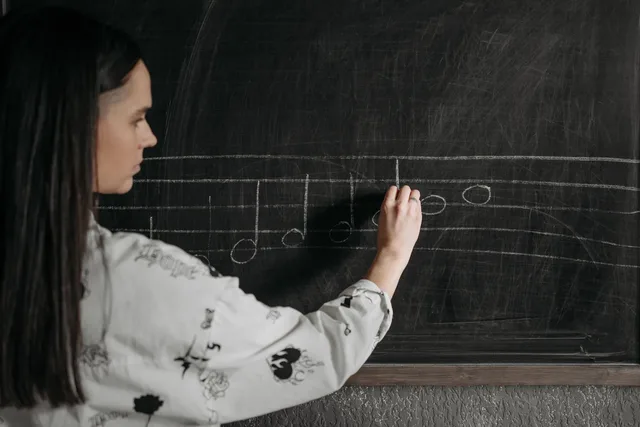
At midnight in a dimly lit studio, the creator's fingers ache while they sketch out complex music diagrams.
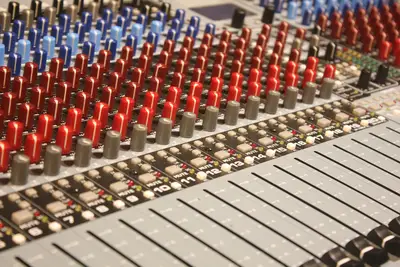
A creator sits at a desk, adjusting the microphone levels while reviewing a complex score on a secondary monitor.
This professional approach stems from formal study, as seen in the career of Andrew, who obtained a Bachelor of Fine Arts at York University studying music before becoming self-employed as a music producer and YouTube personality.
Music major content depth is often a direct result of this academic rigor. When a creator understands the mechanics of theory, they can explain the "why" behind a melody rather than just the "what." This distinction allows for a level of nuance that casual observers might miss.
Using such specialized knowledge helps in developing a unique brand identity within a crowded digital market.
However, the effectiveness of this degree may be limited if the creator fails to adapt traditional techniques to digital algorithms.
Why is Music YouTuber academic training important?
A musician traces a finger along a staff, noting a subtle dissonance that changes the emotional weight of a phrase. This level of detail is where professional training for online music makes a difference.
Academic training provides the vocabulary necessary to communicate with both experts and enthusiasts.
The ability to dissect a composition is a vital skill for any creator aiming for long-term credibility. Music education for online creators provides a structural framework that supports consistent, high-quality analysis.
This depth allows creators to navigate the complexities of theory and history with ease.
However, formal training might not compensate for a lack of consistent engagement with a digital audience.
Can music studies improve my digital performance?
A student sits in a quiet library, analyzing a handwritten manuscript to understand the composer's intent. This disciplined study translates into the digital world when creators apply academic principles to their videos.
The European Union Lifelong Learning Programme 2007–2013 has funded three projects that use music to support language learning, according to The European Union.
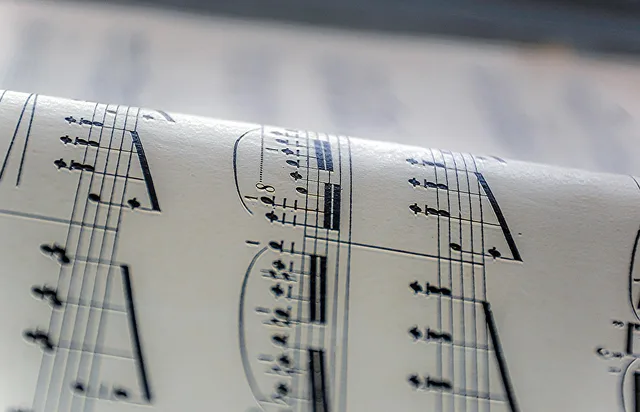
The transition from classroom to screen requires translating abstract theory into engaging visual and auditory content.
The benefits of these activities extend beyond just technical skill. According to the National Association for Music Education, in a study done in 2012, those who participated in musical activities scored higher on the SAT.
This suggests that the cognitive discipline required for music can support broader intellectual pursuits, which may indirectly assist a creator's ability to manage complex digital projects.
However, academic knowledge does not automatically translate to high-quality video production skills.
Does formal education impact my industry success?
A producer stares at a waveform, ensuring the frequency response matches the intended aesthetic. Even as the industry shifts, the influence of major players remains a constant.
For instance, Securities and Exchange Commission, Seagram reported that Universal Music Group made 40% of the worldwide classical music sales over the preceding year.
Understanding the business side of music is as crucial as the artistic side. Academic environments often provide the context needed to navigate complex rights and royalties. This foundation helps creators understand the broader economic landscape, from streaming distributions to physical sales.
| Educational Path | Focus Area |
|---|---|
| Bachelor of Fine Arts | Music Performance and Production |
| Bachelor of Creative Industries | Contemporary Music Practice |
I have observed that applying these structured approaches to video production leads to a much more coherent narrative.
However, a degree alone does not guarantee professional recognition in a saturated market.
What are the standards for music education?
A teacher outlines a new curriculum on a whiteboard, preparing for the upcoming semester. The formalization of what constitutes musical literacy is an ongoing process.
More recently, the National Association for Music Education, in collaboration with the National Coalition for Core Arts Standards, drafted an updated national standards for music education in 2014.
These standards ensure that the foundational elements of the art form are preserved even as delivery methods change. Whether through traditional classroom settings or digital platforms, the core principles of rhythm, melody, and harmony remain the bedrock of the craft.
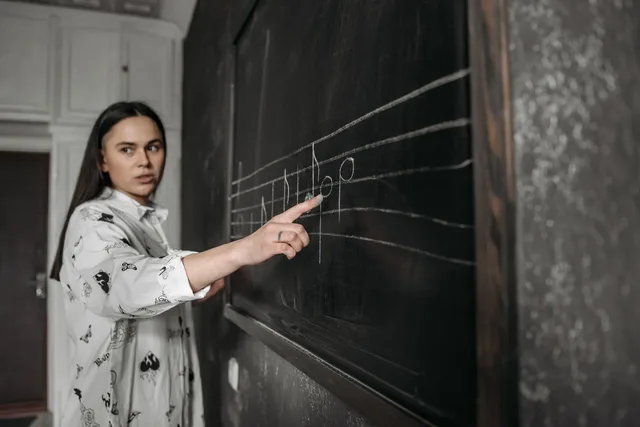
However, these standards may vary depending on the specific genre or medium being pursued.
- How does a Bachelor of Fine Arts assist a Music YouTuber?
- Why is Music YouTuber academic training important?
- Can music studies improve my digital performance?
The subject here is Music YouTuber academic training.
The same subject is also called Expert musician YouTube skills.
The same subject is also called Music education for creators.
This part also covers How music study improves videos.
This part also covers Deepening content with music knowledge.
How music study improves videos
Related





Comments 0