Nick Uhas multi platform guide to best content creation
"The intersection of traditional media and digital influence is where modern creators thrive."
This strategy allows creators to bridge the gap between broadcast audiences and digital communities.
How does Nick Uhas utilize a multi platform Nick Uhas multi platform approach?
A creator sits before a studio monitor, adjusting the lighting to capture a cinematic look for a digital upload. This Nick Uhas multi platform strategy involves taking the polished techniques found in television production and applying them to the intimate setting of a YouTube channel.
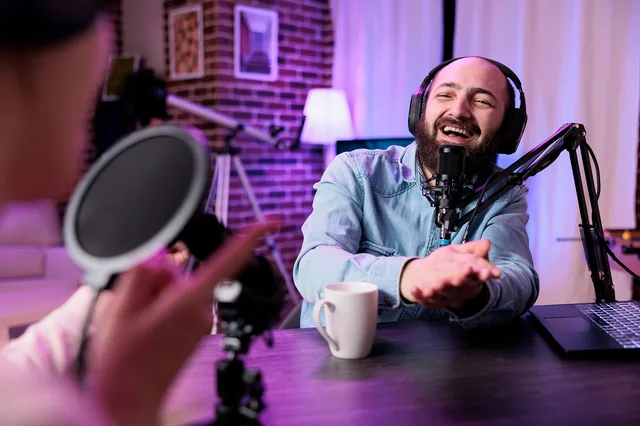
The effectiveness of this method relies on adapting high-quality storytelling to suit different viewer expectations. While a TV segment might follow a rigid time slot, the digital counterpart allows for deeper dives into specific topics.
This hybrid model ensures that the creator remains relevant across multiple media landscapes.
However, this strategy may face challenges if content is not adapted for specific audience behaviors on each platform. I focus on the steps outlined in this approach.
What is Nick Uhas's content creation style?
A producer checks the frame of a camera lens, ensuring the background matches the high-energy tone of the upcoming segment. This Nick Uhas content creation style focuses on high production value and narrative structure.
Unlike standard vloggers, the content often mimics the pacing and visual clarity of professional television programs.
According to YouTube Data API, the channel RTS with 24 Plus has 865,000 subscribers and 328,381,411 total views across 5,002 videos. This scale demonstrates the capacity for long-form engagement.
I have observed how this consistency helps build a dedicated following that expects a certain level of technical excellence.
This style may not work for creators who prefer highly niche or strictly single-platform production. I follow this specific creative method.
According to World Bank, the 2024 record includes 94.7%.
Can I achieve synergy between TV and YouTube?
A technician moves a slider on a soundboard to balance the audio between a live studio feed and a digital recording. Achieving TV and YouTube synergy requires a careful balance of brand identity.
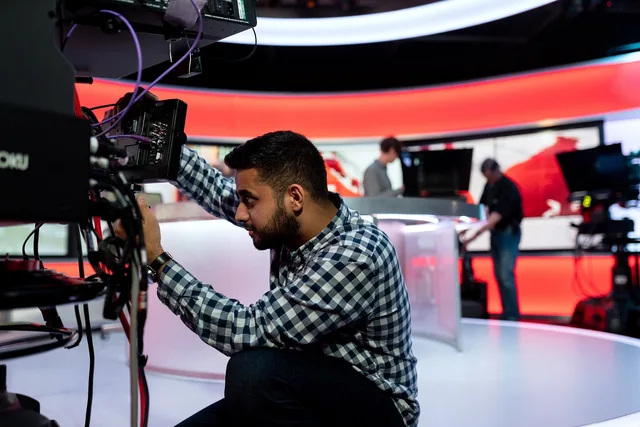
The content must feel professional enough for a broadcast environment while remaining accessible and conversational for a YouTube audience.
The synergy is built by repurposing high-quality assets across different platforms. A single production session might yield a full-length broadcast episode and several shorter, highly edited clips for digital consumption.
This maximizes the return on production effort and ensures the creator's message reaches viewers regardless of their preferred platform.
The effectiveness of this synergy is limited when production budgets cannot meet broadcast standards. I prioritize the sequence mentioned here.
How does the American YouTuber TV blend work in practice?
A director reviews a storyboard that transitions from a studio set to a handheld camera shot in a real-world location. The American YouTuber TV blend is a method of integrating traditional television aesthetics into digital video formats.
This approach uses professional lighting, multi-camera setups, and structured scripts to elevate the viewer experience.
This method helps creators transition from niche digital stardom to mainstream media recognition. By adopting the visual language of television, creators become more attractive to traditional networks and advertisers.
The result is a versatile portfolio that supports growth in both the digital and broadcast sectors.
This blend might fail if the creator lacks the professional infrastructure required for television. I follow this practical workflow.
What is the impact of Creator platform expansion?
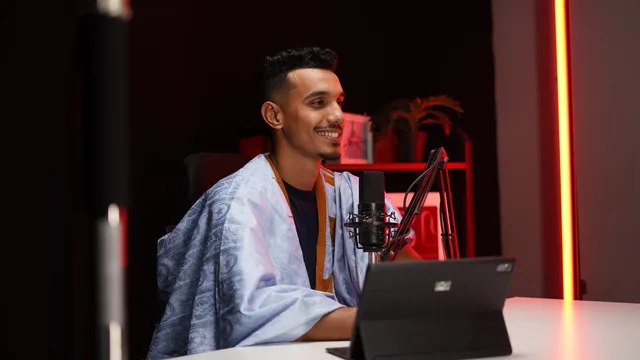
A marketing strategist analyzes engagement metrics from various social media dashboards to track audience movement. The phenomenon of Creator platform expansion is driven by the need to capture attention across fragmented media markets.
As viewers shift from cable to streaming and social video, creators must follow them.
This expansion requires significant organizational effort to manage different content requirements for each platform. While the core message remains the same, the delivery must be optimized for the specific platform's algorithm and user behavior.
This multifaceted presence creates a more robust and resilient creator brand.
Expansion may yield diminishing returns if the creator's core message becomes diluted across too many channels. I observe this developmental pattern.
How to implement a multi platform strategy?
A creator sits at a desk, planning out the week's schedule across several different media calendars. To implement this model effectively, one must follow these steps:
- Develop a core narrative that can be adapted for different durations and formats. 2. Invest in professional-grade equipment to ensure a high standard of visual and audio quality. 3. Schedule content releases to maximize engagement on both traditional and digital platforms.
After these steps, perform a final check to ensure the tone remains consistent across all media outlets. I have found that maintaining this consistency is vital for brand recognition.
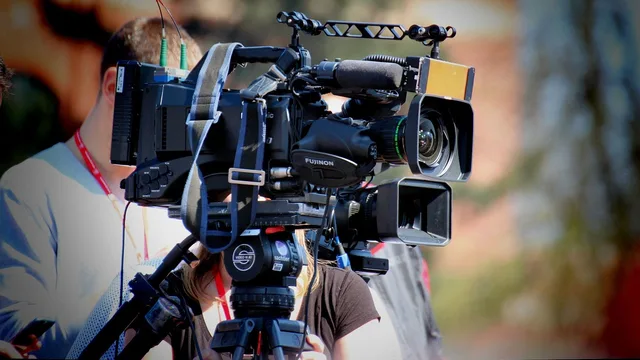
This strategy is limited to creators who have the resources to manage high production demands and diverse platform requirements.
| Platform Type | Primary Focus | Production Requirement |
|---|---|---|
| Television | Broad Reach | High |
| YouTube | Deep Engagement | Moderate to High |
Implementation is difficult when a creator lacks the time to manage multiple content calendars simultaneously. I follow this implementation order.
- Nick Uhas manages a multi-platform presence by blending high-production television standards with the direct engagement of YouTube.
- Key takeaways include his use of diverse media formats and the synergy between professional broadcasting and social video.
- By treating digital content with the same rigor as a broadcast segment, he maintains a professional aesthetic that appeals to diverse demographics.
Related
- Redeemed Zoomer faith music best: Tips for music creators
- How does the Caltech house system function?
Summary
Nick Uhas demonstrates how a creator can successfully navigate the boundaries of television and digital media. By applying professional standards to YouTube, he establishes a brand that is both high-quality and highly engaging.
This multi-platform approach represents the future of content creation in a fragmented media market.
What is the caution regarding the intersection of traditional and digital media?
- The creator must remember that the intersection of traditional media and digital influence demands a dual mindset. 2. Maintaining a consistent brand identity across both environments is a critical condition for success. 3. A failure to adapt the content delivery for the specific platform risks alienating a portion of the audience.
The caution involves recognizing that the expectations of a broadcast audience differ significantly from those of a social video community.
This dual requirement places a high burden on the creator's editorial process.
How does the synergy between professional broadcasting and social video function?
- The synergy is achieved when high-quality assets, born from a single production session, are strategically distributed. 2. A broadcast episode provides the deep narrative foundation, while shorter clips cater to the immediate consumption patterns of social video. 3. This repurposing maximizes the return on the initial production investment, benefiting the creator's overall reach.
The successful function of this synergy relies on the technical proficiency used during the initial capture.
This deliberate cross-pollination strengthens the creator's market position.
The process of achieving this synergy necessitates careful





Comments 0