What is the core of digital payment technology?
"The digital landscape is shifting from simple transactions to integrated ecosystems."
Digital payment technology focuses on the seamless integration of checkout systems within e-commerce platforms, a trend highlighted by major acquisitions like PayPal. This guide explores how these technical advancements shape the future of online transactions for creators and businesses.
We will examine the importance of payment integration and how tech mergers change sales, while noting that specific local regulatory constraints may limit implementation in certain regions.
What is the core of digital payment technology?

A technician adjusts the settings on a high-end server rack to ensure low latency for real-time transactions. Digital payment technology represents the underlying infrastructure that allows money to move between digital wallets and bank accounts instantly.
This technology is essential for the modern economy because it facilitates the entire lifecycle of an online purchase.
The focus remains on creating frictionless user experiences during the checkout process. According to World Bank data, the United States recorded share of internet users of 94.7% in 2024.
This high level of connectivity drives the demand for robust, secure, and lightning-fast digital payment systems. As more users move online, the technical complexity of these systems increases to handle massive volumes of data.
How do tech mergers change sales? Tech vlogger digital payment
An analyst studies a complex flowchart illustrating the integration of a new fintech API into an existing retail platform. Large-scale acquisitions, such as those involving PayPal, fundamentally alter how digital payment technology scales across global markets.
When a dominant player acquires a smaller fintech firm, the resulting technology often offers deeper e-commerce integration.
These mergers allow for the creation of more diverse payment methods within a single interface. This shift is vital for understanding the future of online transactions, as it reduces the friction between discovering a product and completing a purchase.
The integration of specialized software ensures that merchants can accept various currencies and digital assets without manual reconfiguration.
According to World Bank, the 2024 record includes 94.7%.
Why is payment integration so important?
A developer writes code to link a shopping cart to a secure payment gateway, checking for successful authentication. The importance of payment integration lies in its ability to reduce cart abandonment rates by making the checkout process invisible to the user.
When a system works perfectly, the transition from product selection to payment confirmation is nearly instantaneous.
Effective integration ensures that the digital ecosystem remains secure while maintaining high speed. This involves complex encryption protocols and real-time communication between the merchant and the bank.
As digital tech investment grows, the focus shifts toward ensuring these integrated systems can handle sudden spikes in traffic during major shopping events.
What are the trends in e-commerce payment trends?
A researcher scrolls through a series of digital charts showing the rise of mobile wallet usage over the last decade. Observing current e-commerce payment trends reveals a move toward "one-click" solutions and biometric authentication.
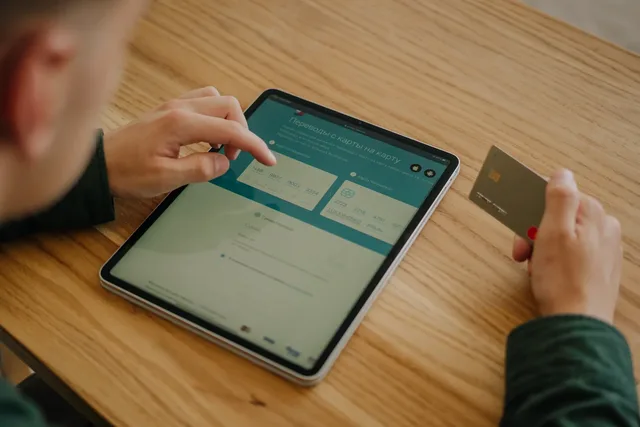
Users no longer want to type in long strings of credit card numbers; they want to use a thumbprint or facial scan.
This shift requires highly sophisticated backend synchronization. The technology must verify identity, check sufficient funds, and confirm the transaction within seconds. This evolution in online checkout systems is what allows modern global commerce to function at scale.
How do digital payment systems operate?
A security expert monitors a dashboard for any signs of fraudulent activity within a network of digital transactions. The operational flow of a digital payment involves several critical stages to ensure every dollar is accounted for.
This process must be transparent to the merchant while remaining highly secure from external threats.
- Initiate the transaction through a user interface or API. 2. Authenticate the user and verify the availability of funds via a secure gateway. 3. Confirm the transaction and update the ledger for both the sender and receiver.
After completing these steps, the system must perform a final check to ensure the data matches the transaction logs.
- The customer initiates a transaction through a digital interface.
- The payment gateway encrypts and transmits the data to the processor.
- The bank verifies the funds and confirms the authorization.
How does digital tech investment impact the user?
A venture capitalist reviews a pitch deck detailing the scalability of a new blockchain-based settlement layer. Increased digital tech investment leads to more sophisticated tools for both consumers and merchants.

These investments fund the research into faster settlement times and more secure encryption methods.
The complexity of these systems is often hidden from the end user, who only experiences the ease of use. However, the underlying technology must be resilient enough to withstand global network fluctuations.
While these systems are robust, they are not universal; implementation is not established for all regions due to varying local financial laws.
I find that the second step is the most critical.
The subject here is Tech vlogger digital payment.
The same subject is also called PayPal acquisition tech.
Related








Comments 0