How to protect endangered species with effective tips
"The survival of our planet depends on the actions we take today to mitigate the shifts in our global climate and preserve the delicate balance of our ecosystems."
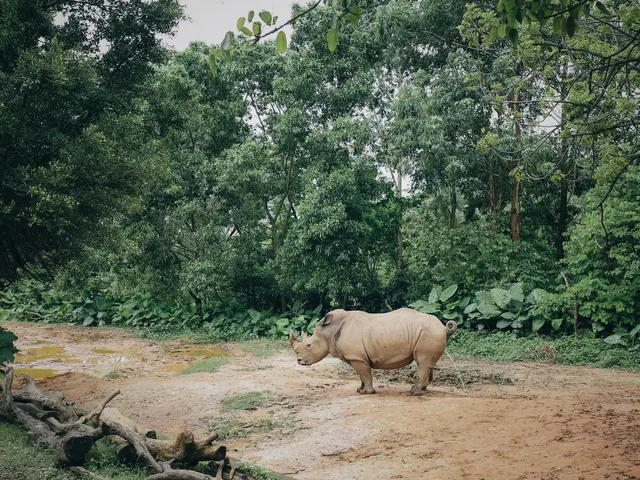
Protecting endangered species and their habitats requires a multi-faceted approach that includes learning how to protect endangered species through technological monitoring, transitions to renewable energy, and changes in individual lifestyles.
This guide explores how to protect endangered species by addressing the underlying drivers of habitat loss, such as methane emissions and carbon footprints. You will learn about satellite monitoring, the role of renewable energy, and how younger generations are driving environmental awareness.
Note that these methods focus on systemic and environmental changes rather than direct animal rescue. 1. Utilizing satellite technology to track greenhouse gas emissions. 2. Transitioning to renewable energy sources to reduce habitat disruption. 3. Supporting global efforts to reduce methane production. * Engaging in community-based environmental advocacy.
How can we use technology for ways to save wildlife?
In the dim control room at midnight, the researcher leans forward to protect the forest by watching the glowing data flicker on the screen.
A researcher sits in a dimly lit control room, watching a digital map flicker with data points from orbit. The glow of the monitor illuminates a face focused on tracking invisible gases that threaten the stability of remote habitats.
This technological approach is vital because many threats to biodiversity are invisible to the naked eye.
To address these invisible threats, organizations are deploying advanced tools to monitor atmospheric changes. For instance, on April 11, 2018, a group announced plans for MethaneSAT, a satellite designed to help identify global methane emissions.
This technology concentrates on the 50 major oil and gas regions that are responsible for 80% of methane production. By pinpointing these leaks, we can better understand the specific stressors affecting wildlife.
The primary goal of such initiatives is to help reduce methane emissions by 45% by 2025. Reducing these gases helps stabilize the climates that endangered animals depend on for survival.
Implementing these high-tech solutions allows for more precise nature conservation activities in areas previously difficult to monitor.
How to protect endangered species through effective ecosystem conservation
During the cool morning in the local park, the volunteer bends down to pick up debris to protect the stream.
A volunteer walks through a local park, carefully picking up debris near a small stream while checking the health of native plants. The cool morning air carries the scent of damp earth as they work to maintain a local micro-ecosystem.
Small-scale actions contribute to the larger global effort of maintaining biodiversity.
Effective ecosystem conservation tips involve reducing the chemical and carbon footprints that degrade natural environments. One way to help biodiversity is to shift consumption patterns toward sustainable products that do not require habitat destruction for production.
Additionally, protecting local watersheds and reducing plastic waste prevents the pollution that disrupts aquatic life.

Shifting toward cleaner energy is a cornerstone of these efforts. According to World Bank data, the United States recorded a renewable energy share of final consumption of 10.9% in 2021. Increasing this share helps mitigate the large-scale climate shifts that cause mass extinction events.
How can individuals contribute to protecting endangered animals?
A student sits at a wooden desk, researching environmental policies on a laptop while sipping tea. The quiet room is filled with the soft clicking of keys as they organize a list of local conservation groups to join. Individual awareness is the first step toward collective action.
Protecting endangered animals starts with informed decision-making and community engagement. You can follow these steps to make a difference:
- Reduce personal methane and carbon footprints by choosing energy-efficient appliances and reducing meat consumption. 2. Support organizations that advocate for stronger environmental protections and habitat preservation laws. 3. Educate others about the importance of biodiversity to build a broader base of support for conservation.
Finally, check your local community's recycling and composting programs to ensure you are minimizing the waste that enters local ecosystems. I have found that even small changes in how I manage household waste help reduce the pressure on local wildlife habitats.
Why is climate change a major factor in wildlife preservation methods?
A gardener looks up at a heavy, grey sky, noticing how the unusual timing of the rain might affect the blooming cycle of local wildflowers. The sensation of the sudden chill reminds them that the seasons are shifting in ways that could confuse migratory species.
Climate instability is a primary driver of species decline.
Wildlife preservation methods must account for the fact that climate change alters the very geography of survival. When temperatures rise, the habitats species rely on may move or disappear entirely.
This shift forces animals into new territories where they may face competition or lack necessary resources.
Pollution also plays a significant role in this environmental crisis. In a 2019 poll of over 10,000 internet users aged 18 to 25 years old in 22 countries, 41% of responders believed that climate change was one of the most important issues facing the world, which was the most popular response.
Furthermore, the second-most common problem cited was environment-related pollution at 36%.
What is the role of the younger generation in environmental protection actions?
A group of teenagers gathers in a bright community center, passionately debating the merits of a new local recycling initiative. The energy in the room is palpable as they plan their next social media campaign to raise awareness about local ecology.
The youth are increasingly taking the lead in environmental movements.
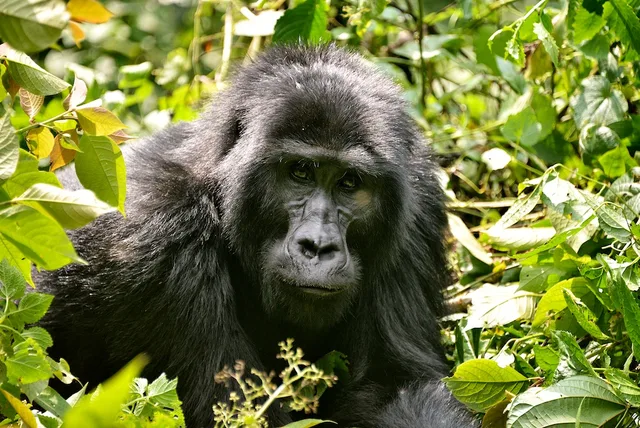
Younger cohorts are showing a profound understanding of the urgency required for environmental protection actions. This demographic is not just observing the crisis but is actively demanding change. Their involvement ensures that conservation remains a priority for future policymakers.
Data shows that this awareness is widespread among young people. Polling from 2018 of Americans over the age of 13 by Pew suggested that 54% of Generation Z believed that climate change is real and is due to human activities, while only 10% reject the scientific consensus.
This indicates a strong foundation for long-term environmental advocacy.
| Metric | Value |
|---|---|
| US Renewable Energy Share (2021) | 10.9% |
| Methane Reduction Goal by 2025 | 45% |
The second-most common problem cited was environment-related pollution at 36%.
The methods discussed here focus on environmental and technological interventions to mitigate climate-driven threats to species, but they do not address direct medical or biological risks to humans.




Comments 0