How did the scale of cable television shape its influence?
"The medium of cable television has transitioned from a mere household utility to a complex engine of content delivery that shapes how information reaches the public."
The shift in media consumption highlights the enduring relevance of cable channels educational power even as digital platforms rise. While traditional subscriptions peaked in 2000, the infrastructure of cable laid the groundwork for modern content delivery and specialized programming.
This article explores the historical reach of cable, the regulatory framework that shaped it, and how the industry's evolution into streaming and digital collaboration maintains its influence.
How did the scale of cable television shape its influence?
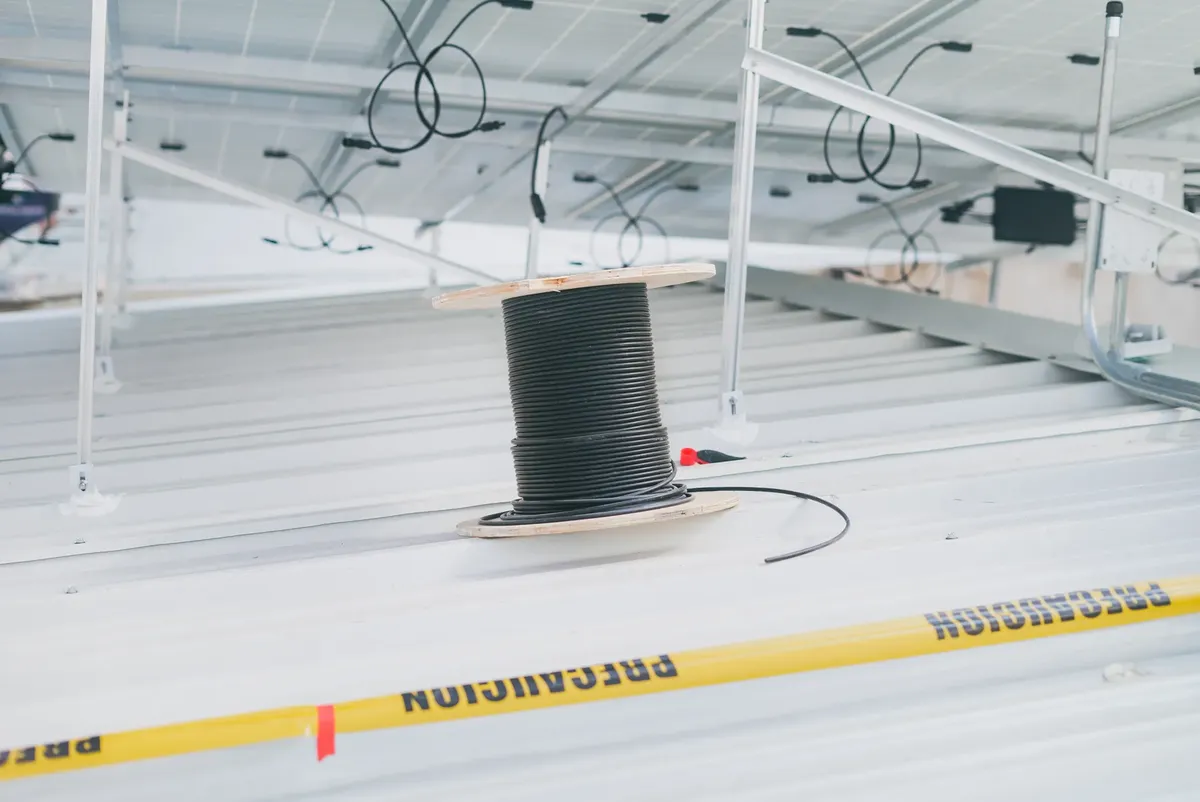
A living room in 1989 holds a heavy, wood-paneled television set receiving a clear signal through thick coaxial cables. By 1989, 53 million American households received cable television subscriptions, with 60 percent of all U.S. households covered.
This massive reach established a baseline for mass communication and cultural synchronization. The sheer volume of subscribers meant that any content aired could reach a significant portion of the population simultaneously. This scale provided the economic foundation for diverse programming types.
The expansion of the subscriber base allowed for the development of niche channels. As the audience grew, the ability to target specific demographics became a primary driver for content creation. This period of growth defined the modern media landscape.
What role did regulation play in cable television's development?
A technician in a vintage control room adjusts dials to ensure signals pass through the regulatory framework of the era.
The Federal Communications Commission manages various requirements on these agreements, which may include channels cable providers are required to carry, and moderates disputes over the fees and conditions of any particular agreement.
This oversight ensured that localized service could exist within a nationalized infrastructure.
Regulatory bodies established the rules for competition and content accessibility. By defining how providers operated, the government helped stabilize a rapidly growing industry. These rules allowed for the structured growth that defined the late 20th century.
According to Federal Communications Commission, the 2000 record includes 68.5 million.
How did the industry transition toward streaming and digital platforms?

An executive sits in a modern office in 2019, watching a high-definition feed of a streaming series on a sleek tablet.
In early 2019, Universal Cable Productions changed its name to Universal Content Productions to reflect its move into streaming, with production of The Umbrella Academy for Netflix and Peacock.
This name change signifies a strategic pivot from hardware-dependent delivery to content-centric distribution. The shift reflects a broader trend where traditional production houses adapt to the digital-first reality of modern viewers.
They moved from being mere providers of signal to being architects of diverse digital libraries.
The move to streaming allowed for more specialized content delivery. Producers could now reach global audiences without the constraints of physical cable lines. This transition maintained the creative momentum established during the cable era.
How do various industry bodies support the ecosystem?
A researcher browses through a vast digital archive at a specialized media center. Industry bodies like CableLabs serve as the industry's research and development consortium, while The Cable Center maintains the Barco Library archive of cable history.
These organizations provide the technical and historical backbone for the industry. They ensure that the evolution of technology is documented and that research drives future innovations.
Without this structured support, the rapid advancement of transmission technology would lack a cohesive direction.
The National Association for Multi-Ethnicity in Communications (NAMIC) also plays a role in the industry landscape. Such organizations address different facets of the media environment, from technical standards to diversity and history.
They collectively manage the complexities of a multi-platform world.
How does the history of cable impact modern learning?
A student watches a documentary on a laptop, reflecting on how media has always served as a tool for discovery. In September 2019, Sarah Urist Green, in collaboration with John and the Poetry Foundation, launched the YouTube channel Ours Poetica.
The lineage of educational content can be traced from structured broadcast programming to modern digital channels. The ability to deliver high-quality, specialized information was a core component of the cable era's legacy.
This legacy continues through creators who use digital tools to expand on traditional storytelling.
The transition from broad-reach cable to targeted digital content maintains a focus on engagement. Modern creators often use the same principles of visual storytelling developed by professional producers. This continuity ensures that information remains accessible across different formats.
What were the peak subscription numbers in the US?
A hand adjusts a dial on an older television, reminiscent of the era when cable was reaching its height. According to reports released by the Federal Communications Commission, traditional cable television subscriptions in the US peaked around the year 2000, at 68.5 million total subscriptions.
| Metric | Value |
|---|---|
| Peak Subscriptions (Year 2000) | 68.5 million |
| 1989 Household Subscriptions | 53 million |
I remember looking at the growth charts of that era and seeing how the numbers shifted the entire economy. The peak in 2000 marked a significant milestone in the history of American media consumption.
The limitations of this historical data are that it focuses on traditional subscriptions and does not account for the rise of satellite or the eventual shift to streaming.
- How did the scale of cable television shape its influence?
- What role did regulation play in cable television's development?
- How did the industry transition toward streaming and digital platforms?
Cable channels educational power
The subject here is Cable channels educational power.
The same subject is also called Cable TV learning value.
The same subject is also called Edutainment cable shows.
The same subject is also called TV series for learning.
The same subject is also called Educational video content.
This part also covers Real-time learning TV.
This part also covers Creator driven education.
This part also covers Self-developed learning media.
Real-time learning TV
Related





Comments 0